From Craftsman to Supervisor |
|
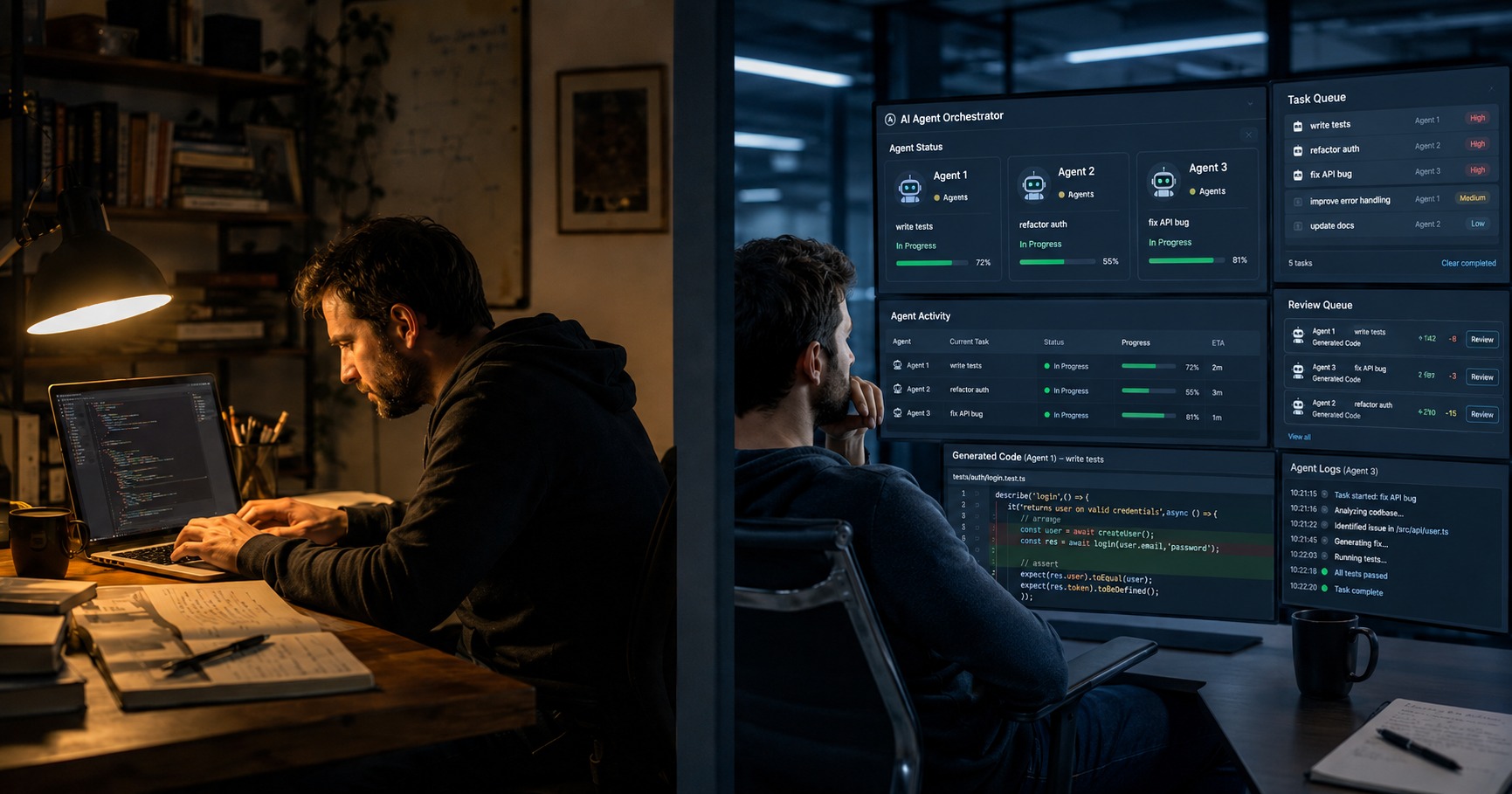
Developers who delegate their coding to AI agents describe losing their felt connection to what they produce, and the grief is real. But the resignation wrapped around it, the idea that this was inevitable because the tools simply work, does not survive contact with the data.
[Read More]
We Learned Nothing from Dijkstra |
|
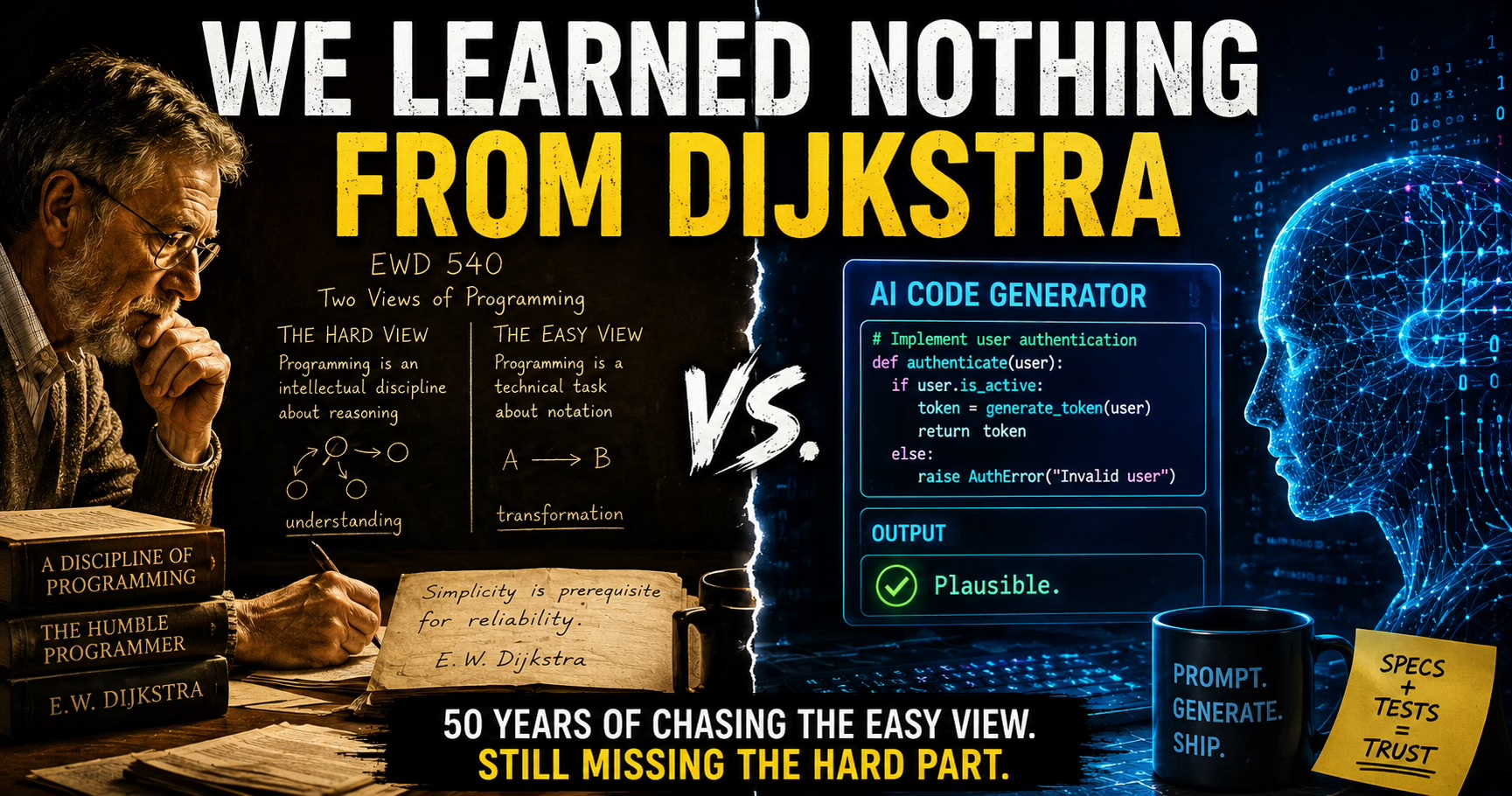
In 1975, Edsger Dijkstra diagnosed a fifty-year-old delusion: that programming’s difficulty is a translation problem, solvable by better tools, rather than a reasoning problem. AI is the latest tool wearing that old promise, and it cannot close the gap it was never built to close.
[Read More]
AI Is Intellectual Colonialism: The Grid Chapter |
|
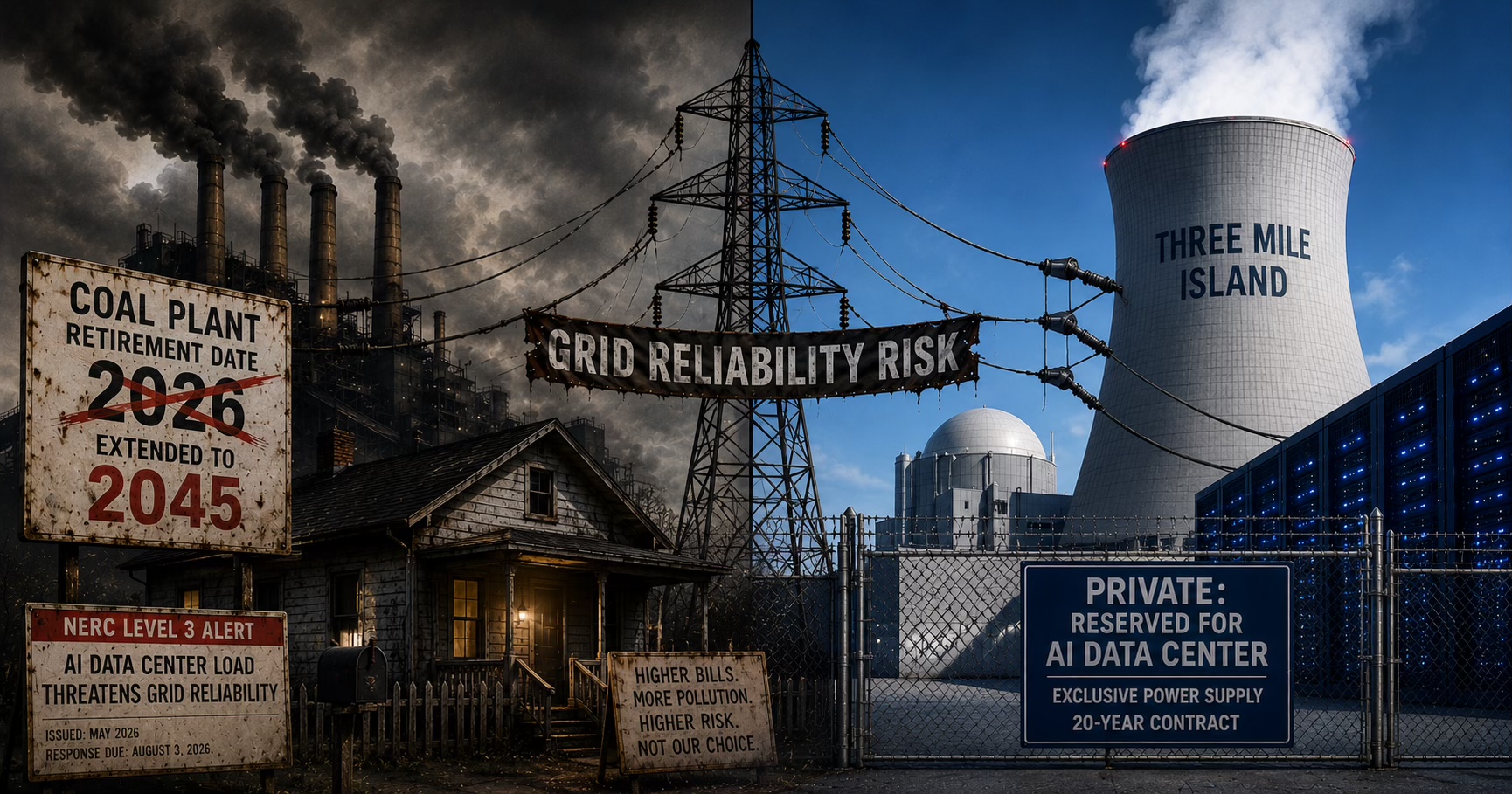
In May 2026, the actual regulator responsible for keeping the lights on issued one of its rarest possible warnings: AI data centers are now a threat to the reliability of the entire power grid. Utilities are delaying coal plant retirements to keep up. The federal government is forcing others to stay open by emergency order. Meanwhile, the same companies straining the shared grid are quietly buying up the cleanest, most reliable power for themselves.
[Read More]
AI Is Intellectual Colonialism: The Bubble Chapter |
|
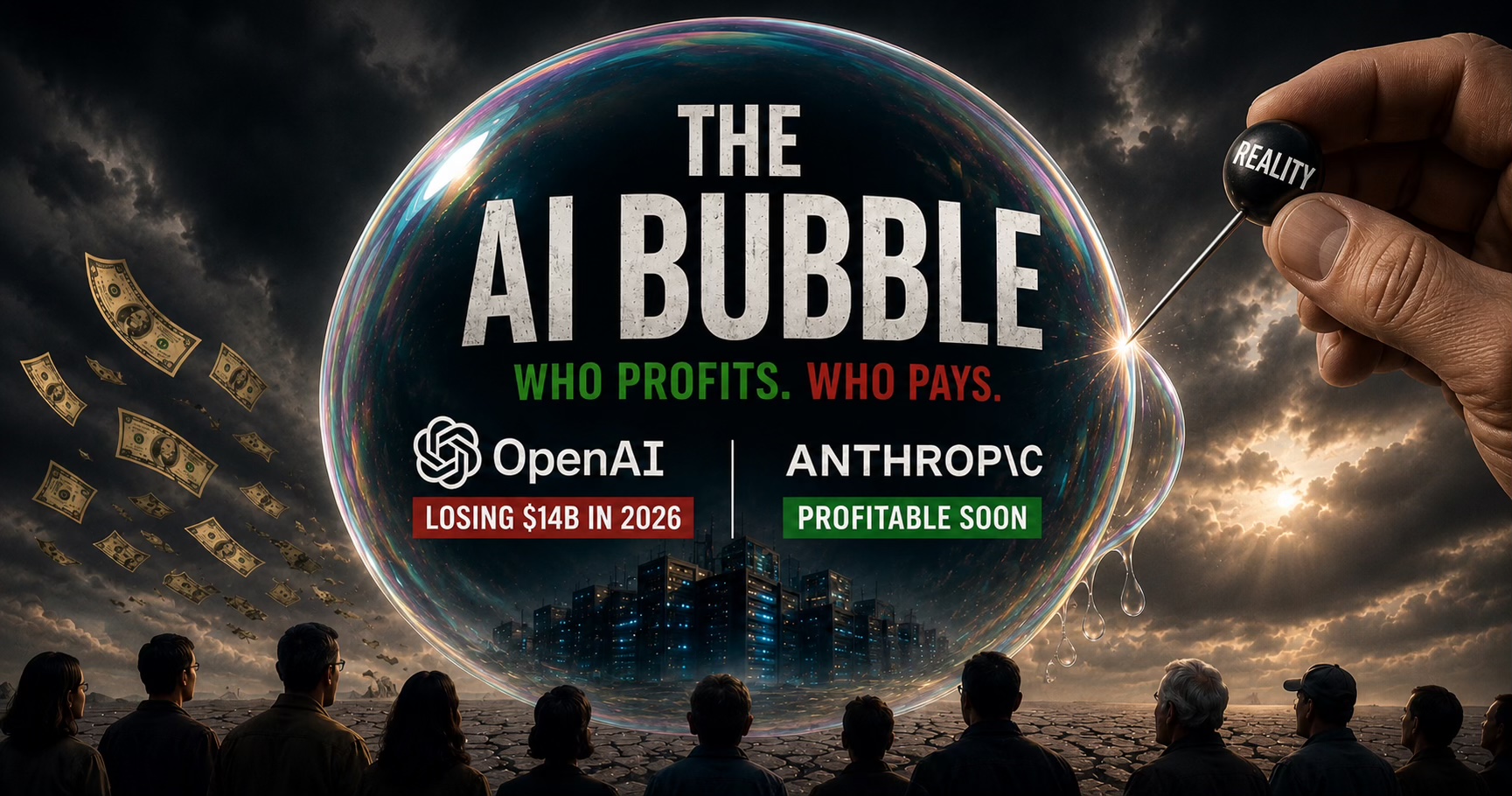
OpenAI is on pace to lose $14 billion this year and does not expect to break even until after 2030. Anthropic, on a leaner budget, expects its first operating profit within months. Serious, credentialed voices, not just internet skeptics, are warning that the industry funding both of them is priced like it cannot fail. If it does, the people holding the loss will mostly be people who never chose to make the bet.
[Read More]
AI Is Intellectual Colonialism: The Spotify Chapter |
|
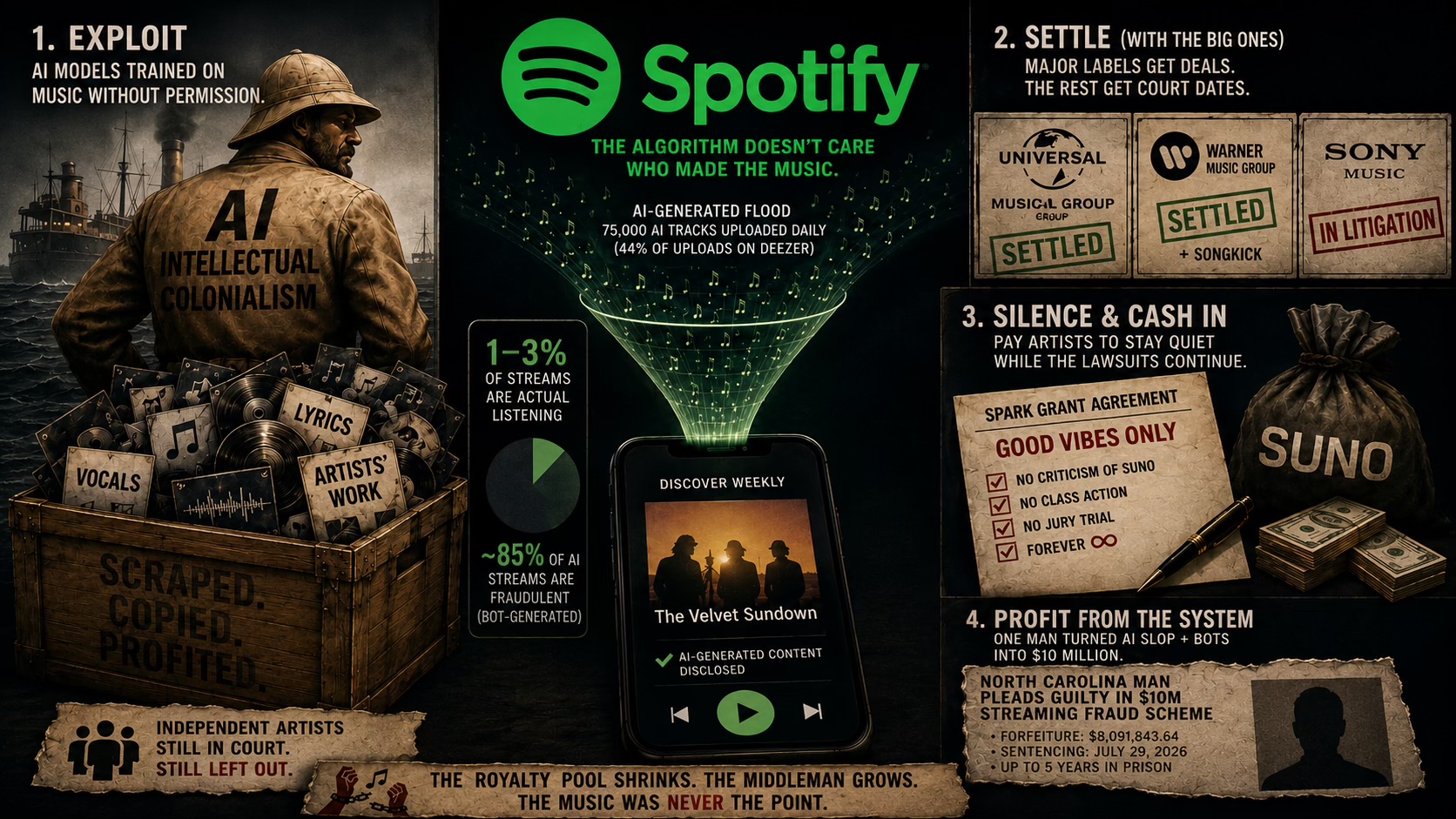
Suno and Udio trained their models on years of scraped music, most of it from independent artists, then settled only with the major labels who could afford to sue. The independents are still in court, Suno just launched a grant program that requires never criticizing it again, and a North Carolina man is about to be sentenced for turning the same cheap AI generation into a $10 million fraud.
[Read More]
We Are Automating the Consumption of Software Engineering |
|
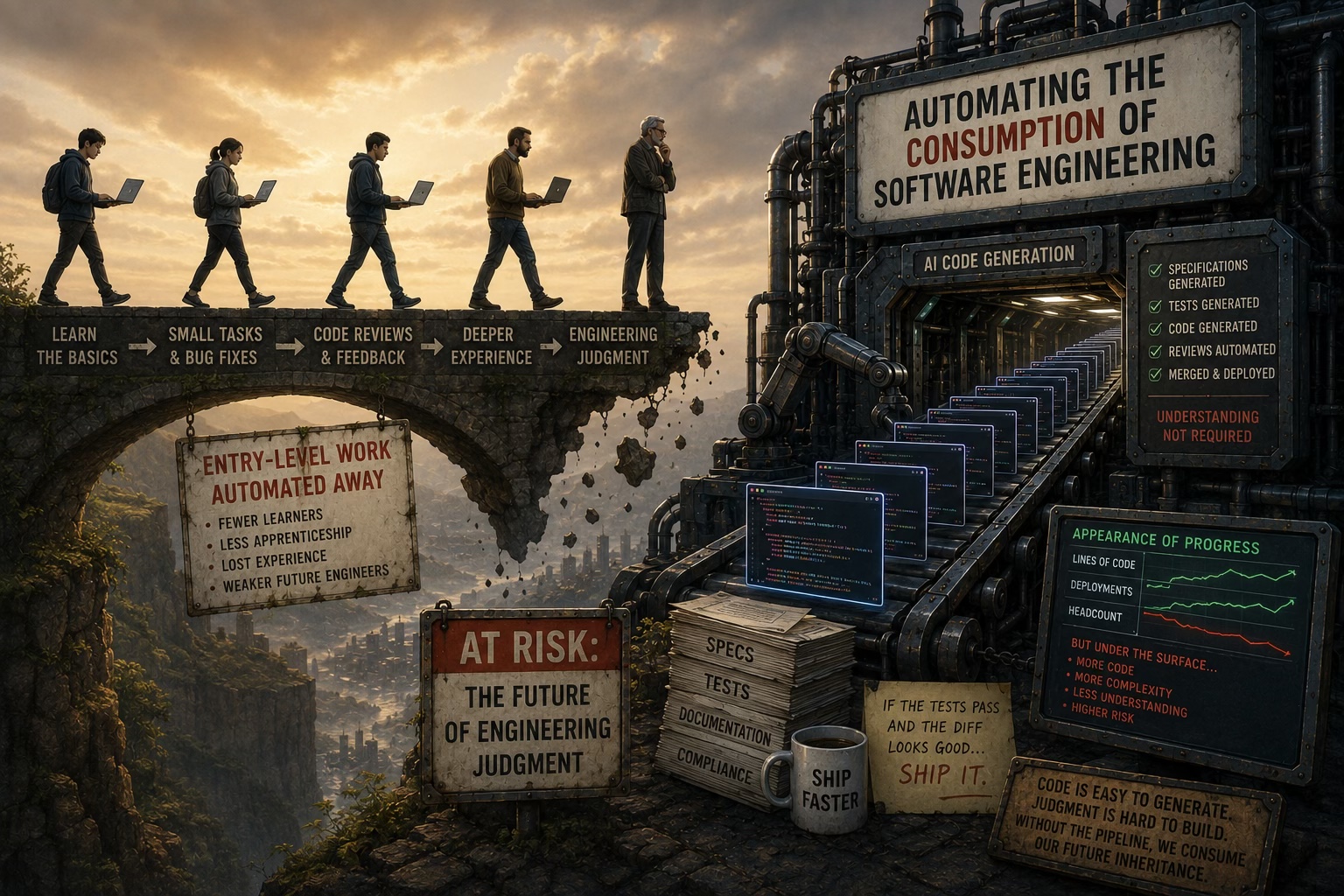
AI did not invent software engineering. It inherited it, from generations of engineers who spent decades discovering what worked and why. Removing the people who renew that inheritance does not just risk buggy code. It risks a profession that keeps producing software while losing the ability to produce engineers.
[Read More]
AI Is Intellectual Colonialism: The Price Chapter |
|
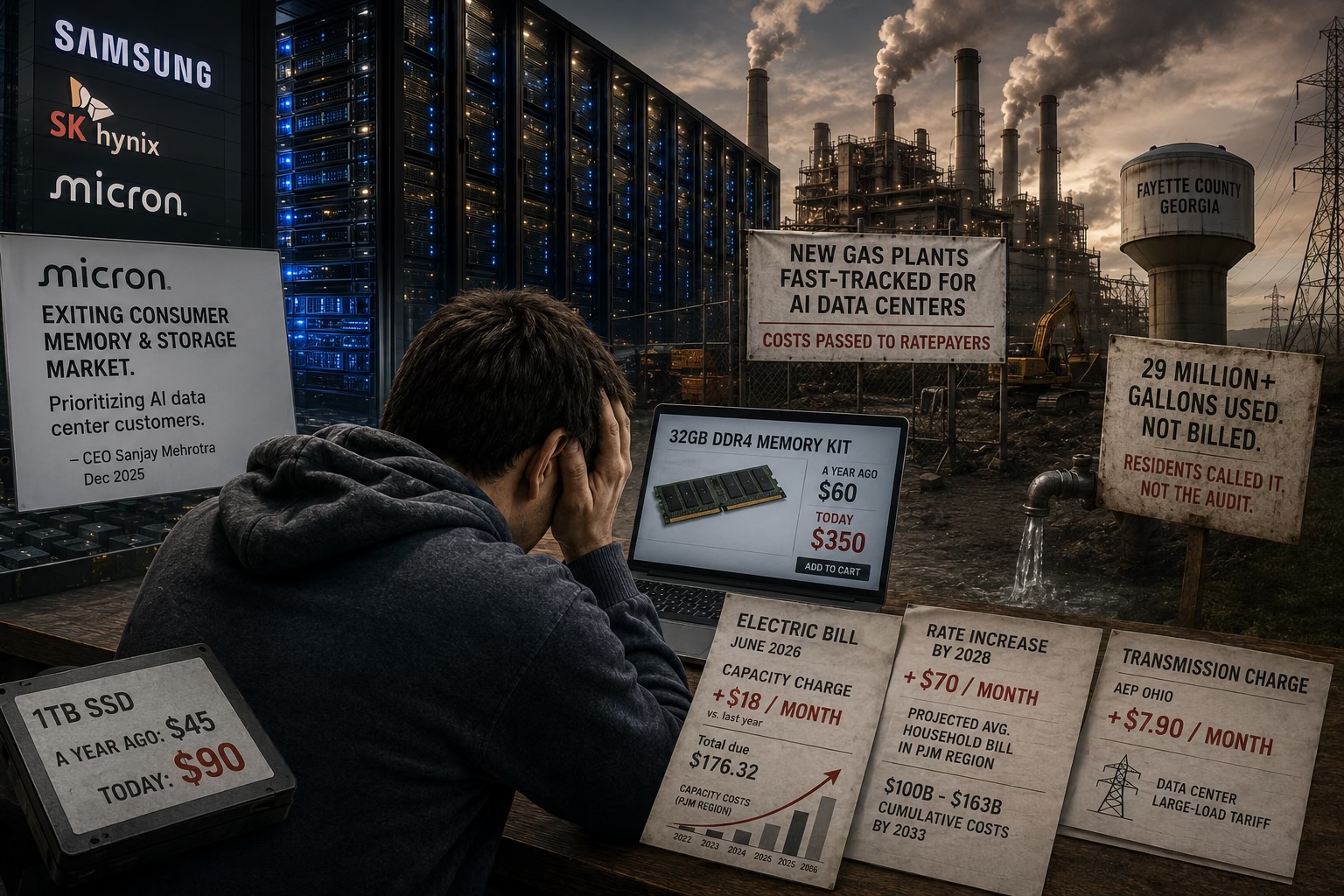
A DDR4 memory kit that cost about $60 a year ago costs up to $350 now, and Micron is not apologizing for it: the company announced it is leaving the consumer market entirely to sell to AI data centers instead. From Louisiana to Virginia, electricity ratepayers are footing a piece of the AI buildout too, whether or not they have ever opened ChatGPT.
[Read More]
AI Is Intellectual Colonialism: The Environmental Chapter |
|
Elon Musk built one of the largest supercomputers on Earth in a Memphis neighborhood that already breathed some of the dirtiest air in the country, and got the Justice Department to defend it in court. It is not the only fight over water and power the AI boom has started: a Meta data center is linked to brown tap water in rural Georgia, and an Arizona contractor got caught trucking city water to a site the city had already voted against. Memphis is the sharpest version of the pattern, not the only one.
[Read More]
AI Is Intellectual Colonialism: The Attention Chapter |
|
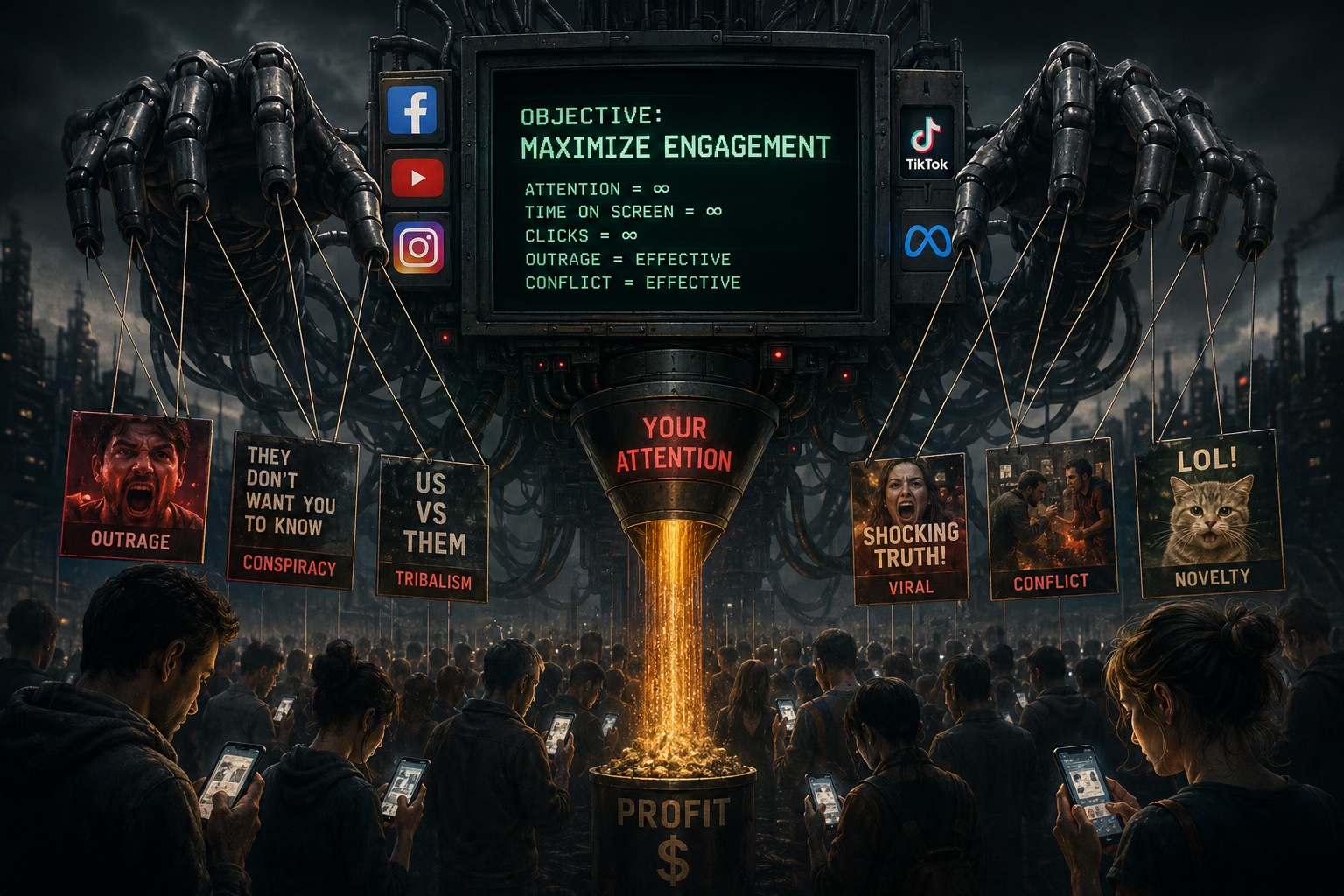
The same extraction machine that scraped books, video, and code runs on a simpler resource: attention. Facebook, YouTube, Instagram, and TikTok all built it, and their own internal research proves they knew exactly what it was doing.
[Read More]
Engineering by Proxy |
|
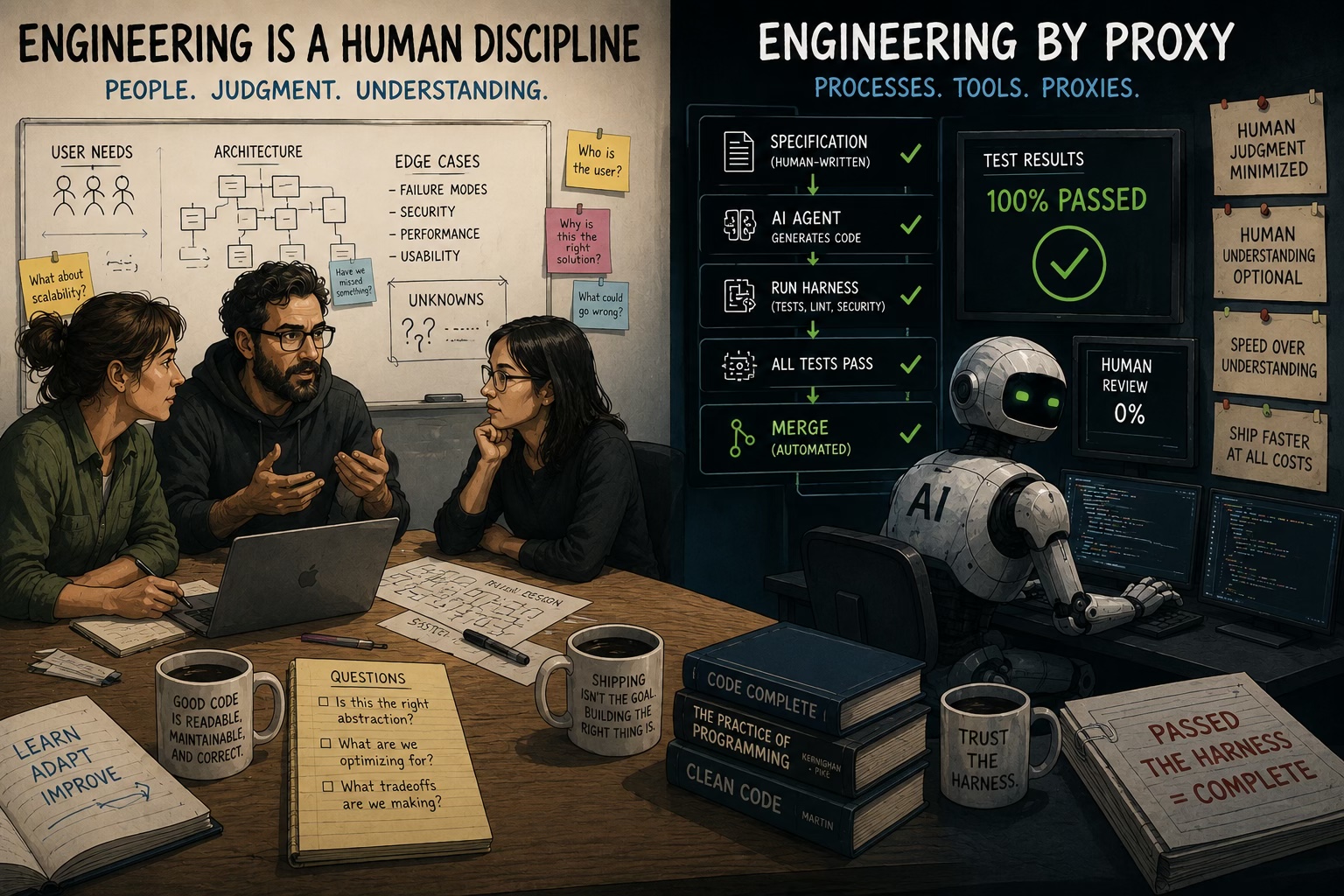
Harness-based development produces every visible sign of engineering rigor (green tests, merged pull requests, upfront specs) without the substance rigor is supposed to guarantee: correct software, and humans still capable of noticing when it isn’t.
[Read More]